

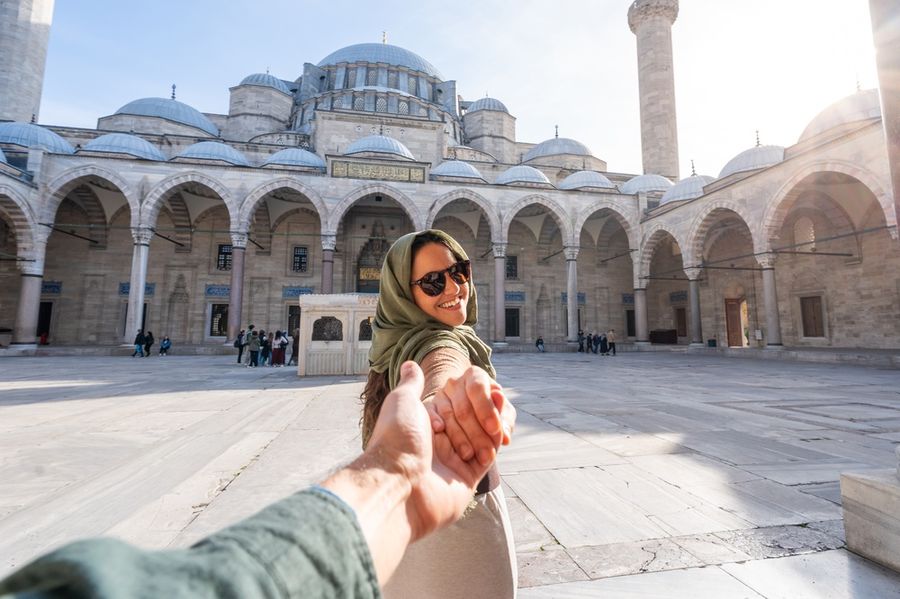
Famous attractions can earn a place on any travel wish list, but not every crowded landmark delivers a memorable experience. Long lines, inflated prices, staged entertainment, and rushed photo opportunities may leave visitors feeling disappointed rather than inspired. Skipping an overhyped stop doesn’t mean missing the spirit of a destination. Visiting neighborhood markets, smaller museums, local restaurants, and quieter viewpoints often create richer memories. A thoughtful alternative not only saves money but it can also reduce stress and reveal more of a place’s everyday character.
Tourist Traps at a Glance
Before building your itinerary, compare common tourist traps with alternatives that may offer better value, fewer crowds, and a more personal experience.
|
Tourist Trap |
What to Do Instead |
|---|---|
|
Restaurants beside major landmarks |
Eat a few streets away in a neighborhood restaurant |
|
Crowded observation decks |
Visit a public rooftop, hillside, or scenic park |
|
Generic souvenir shops |
Shop at local markets and independent studios |
|
Expensive packaged sightseeing tours |
Create a self-guided walking route |
|
Staged cultural shows |
Attend a community performance or local event |
|
Overcrowded photo spots |
Explore a quieter neighborhood or nearby town |
Skip Landmark Restaurants and Eat Where Locals Gather
Restaurants beside famous monuments often rely on location rather than quality. Menus may feature inflated prices, smaller portions, and watered-down versions of regional dishes. Servers may rush diners because a steady stream of visitors is waiting outside. A convenient view can be enjoyable, but paying extra for a seat near an attraction doesn’t always lead to a memorable meal.
Walk several blocks away from the busiest area and look for places filled with residents. Check menus before sitting down, notice whether prices are clearly posted, and avoid restaurants where staff aggressively call people inside. Neighborhood cafes, food halls, and family-run restaurants can offer better value and a more relaxed atmosphere. Asking a hotel employee, shopkeeper, or local host for a personal favorite may lead to a meal worth remembering.
Trade Crowded Observation Decks for Open-Air Views
Observation decks promise sweeping city views, but the experience may involve expensive tickets, timed entry, security lines, and crowded windows. Once you reach the top, you might spend more time waiting for a clear photo than enjoying the skyline. Indoor viewing areas can also feel rushed, especially when staff must manage large groups within limited spaces.
Search for hillsides, bridges, parks, public terraces, or rooftop cafes with scenic views. Many cities have elevated neighborhoods that provide beautiful perspectives without requiring a costly ticket. Visit near sunrise or late afternoon for softer light and smaller crowds. A viewpoint located outside the central district may also show the famous skyline itself, rather than placing you inside one of its tallest buildings. Bring a drink, sit for a while, and enjoy the scenery at your own pace.
Replace Generic Souvenir Shops With Local Markets
Souvenir stores near major attractions often sell identical magnets, shirts, and keychains that may have been produced far from the destination. Prices can be surprisingly high, and the items rarely tell a meaningful story about the place you visited. Buying a small keepsake can still be fun, but rushed purchases may end up forgotten in a drawer.
Visit a farmers market, craft fair, bookstore, antique shop, or independent studio instead. Locally made ceramics, prints, textiles, spices, and specialty foods can carry stronger memories and support nearby businesses. Ask vendors about their work and check whether fragile or edible items can travel safely. Practical souvenirs are another smart choice. A reusable bag, kitchen tool, notebook, or piece of jewelry may remind you of the trip whenever you use it at home.
Swap Packaged Tours for a Self-Guided Route
Large sightseeing tours can help travelers cover major attractions quickly, but they may also involve rigid schedules, crowded buses, rehearsed commentary, and frequent shopping stops. Travelers often have only a few minutes at each location before being called back to the group. A packed itinerary can make an interesting destination feel like a checklist rather than a place to explore.
Build a self-guided route using a city map, tourism website, audio tour, or library resource. Choose a manageable neighborhood and connect several landmarks, parks, cafes, and shops within walking distance. Leave extra time for unexpected discoveries and rest breaks. Public transportation can also help you reach farther locations without paying for a full-day package. When a guide would add valuable context, consider booking a small walking tour led by a local specialist instead.
Choose Community Events Over Staged Cultural Shows
Some cultural performances are designed mainly for tourists, with shortened programs, exaggerated costumes, and expensive meal packages. They may still be entertaining, but the experience can feel disconnected from everyday traditions. Large productions sometimes present culture as a polished product while offering little explanation of its history, meaning, or modern relevance.
Look for community festivals, local theater, live music nights, neighborhood celebrations, or public dance performances. Museums, libraries, universities, and cultural centers often host affordable events with deeper context. Check local calendars before your trip and ask whether visitors are welcome. Respect photography rules, dress expectations, and ceremonial customs. A smaller event may not appear in every travel brochure, but it can provide a more thoughtful connection to local artists, traditions, and residents.
Leave Famous Photo Spots for Quieter Corners
Popular photo locations can attract long lines, impatient crowds, and people focused more on getting the perfect image than experiencing the setting. Some visitors arrive expecting a peaceful landmark only to find barriers, traffic, vendors, and dozens of cameras. The pressure to recreate a familiar social media photo can also make the moment feel less personal.
Explore a residential district, nearby village, waterfront path, side street, or lesser-known garden instead. Ask locals about peaceful areas with interesting architecture or natural scenery. Early mornings can make even busy places feel calmer, but quiet alternatives often provide more freedom to wander. Take photos that capture details you genuinely notice, such as shop signs, doorways, street art, or daily routines. Unique images usually come from curiosity, not from standing in a predetermined spot.
Let Curiosity Lead the Way
Skipping a tourist trap doesn’t require avoiding every famous attraction. Some landmarks are popular because they’re historically important, visually impressive, or genuinely enjoyable. The key is deciding which experiences matter to you instead of following a standard itinerary without question. Read recent reviews, compare prices, and consider how much time you’re willing to spend waiting.
Leave room for alternatives that offer conversation, discovery, and a slower pace. A neighborhood meal, scenic walk, craft market, or community event can reveal details that crowded attractions often hide. Travel feels more rewarding when choices reflect personal interests rather than pressure to see everything. By balancing celebrated sights with local experiences, you can return home with stories that feel far more meaningful than a collection of familiar photos.