

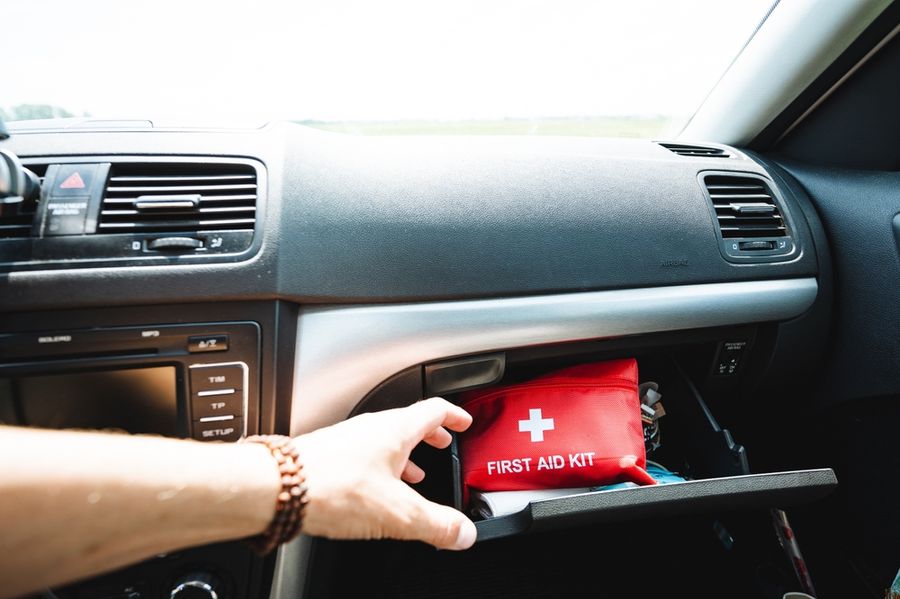
A glove box may be small, but it can hold supplies that make everyday drives and unexpected problems easier to manage. A few simple items can save time when plans change or minor emergencies arise. The goal isn’t to fill every inch with random objects. A carefully organized selection keeps useful items within reach while preventing clutter. With a few smart additions, your glove compartment can become a dependable resource on commutes, errands, and road trips.
Keep Important Vehicle Documents Together
Your glove box is a practical place to store vehicle registration, proof of insurance, roadside assistance details, and relevant warranty information. Keep documents inside a labeled envelope or slim organizer, so they’re easy to find during a traffic stop, accident, or service appointment. Review them periodically and replace expired copies before they create unnecessary stress.
Avoid storing your vehicle title in the car because losing it could lead to serious complications. You may also want to keep a list of emergency contacts and your mechanic’s phone number nearby. If your insurance provider offers digital cards, save a copy on your phone as a backup. Still, a printed version can be useful when your battery dies or mobile service isn’t available.
Add a Compact First-Aid Kit
Minor cuts, scrapes, blisters, and headaches can happen during ordinary outings, so a small first-aid kit is worth keeping close. Look for a compact case containing adhesive bandages, gauze pads, antiseptic wipes, medical tape, and disposable gloves. Add any personal items you regularly need, but avoid medications that shouldn’t be exposed to extreme vehicle temperatures.
Check the kit every few months for expired, damaged, or missing supplies. Heat can weaken adhesives and affect certain products, so replace anything that looks dried out or discolored. A glove box kit is best suited for minor concerns, not serious injuries. For severe bleeding, breathing problems, chest pain, or other emergencies, contact emergency services rather than relying on basic supplies from your car.
Pack Charging and Navigation Backups
A phone can provide navigation, communication, payment options, and roadside assistance, but it won’t help much with a dead battery. Keep a compatible charging cable and car adapter in the glove box. Choose a cable long enough to use comfortably without creating a tangle around the gear shift, steering wheel, or pedals.
A printed local map can also provide backup when cellular coverage disappears, or your navigation app fails. Write down a few important phone numbers in case you can’t access saved contacts. A small power bank may help, but batteries shouldn’t remain inside vehicles during extreme heat or cold. Check manufacturer storage recommendations and bring the charger indoors when temperatures could damage it or create a safety concern.
Prepare for Spills and Small Messes
Drinks tip over, hands get sticky, and muddy shoes can leave marks at the least convenient moments. A travel pack of tissues, paper napkins, and individually wrapped cleaning wipes can handle many everyday messes. Store liquids in sealed packaging to prevent leaks, and choose products that are safe for your vehicle’s interior surfaces.
A few small trash bags or disposable sacks can hold wrappers, wet clothing, or items that need to be separated from clean belongings. Hand sanitizer is also useful after fueling the car or handling shared equipment, although high temperatures may affect its container. Don’t overfill the compartment with bulky cleaning products. A small, practical supply can keep the cabin comfortable until you have time to complete a more thorough cleanup.
Include Tools for Unexpected Delays
Unexpected waits can happen because of traffic, weather, mechanical trouble, or appointments running late. A small flashlight can help you inspect a dropped item, read information after dark, or signal for attention. Choose a compact model and check the batteries periodically. A pen and small notepad are also useful for recording accident details, directions, mileage, or repair information.
Consider adding a tire pressure gauge if it fits comfortably. Although larger emergency equipment belongs in the trunk, a gauge is small enough for the glove box and can help you identify underinflated tires. Keep a few dollars in small bills for parking, tolls, or places that can’t accept cards. Avoid storing large amounts of cash or valuables where they could attract theft.
Carry Personal Comfort Items
A few comfort items can make routine drives and unexpected delays much more pleasant. Sunglasses, lip balm, hair ties, a small packet of sunscreen, and spare reading glasses may all earn a place, depending on your needs. Choose items you’ll use regularly rather than filling the compartment with products that sit untouched for years.
Temperature matters when storing personal care products. Heat can melt lip balm, damage sunscreen, and alter certain cosmetics, while cold can affect other materials. Review product labels before leaving anything in the car for long periods. You could also keep a clean reusable shopping bag folded inside the glove box. It takes up little space and can help with unplanned purchases, damp items, or organizing loose belongings.
Organize Everything for Easy Access
Useful supplies won’t help if they’re buried beneath receipts, outdated manuals, and loose wrappers. Empty the glove box several times a year and remove anything you no longer need. Group similar items inside slim pouches or envelopes, keeping documents separate from cleaning products and personal supplies. Make sure the compartment still closes easily without forcing it.
Think about which items deserve immediate access and which belong elsewhere in the vehicle. Jumper cables, reflective triangles, blankets, bottled water, and larger tool kits are better stored securely in the trunk or cargo area. A glove box works best when it holds a focused collection rather than an entire emergency kit. Simple organization can help you find the right item quickly when a stressful situation leaves little patience for searching.
A Small Space With a Helpful Purpose
A well-stocked glove box can make minor problems easier to handle without adding much weight or clutter to your vehicle. Documents, first-aid basics, charging supplies, cleanup items, and a few practical tools can support daily convenience while helping you feel more prepared. The best selection will reflect your driving habits, climate, family needs, and typical travel routes.
Review your supplies at the start of each season and remove expired products, unnecessary receipts, and damaged items. Replace anything you’ve used, and confirm that important paperwork remains current. A few minutes of maintenance can keep the compartment organized and reliable. When the unexpected happens, you’ll be glad the essentials are already packed and ready within reach.