

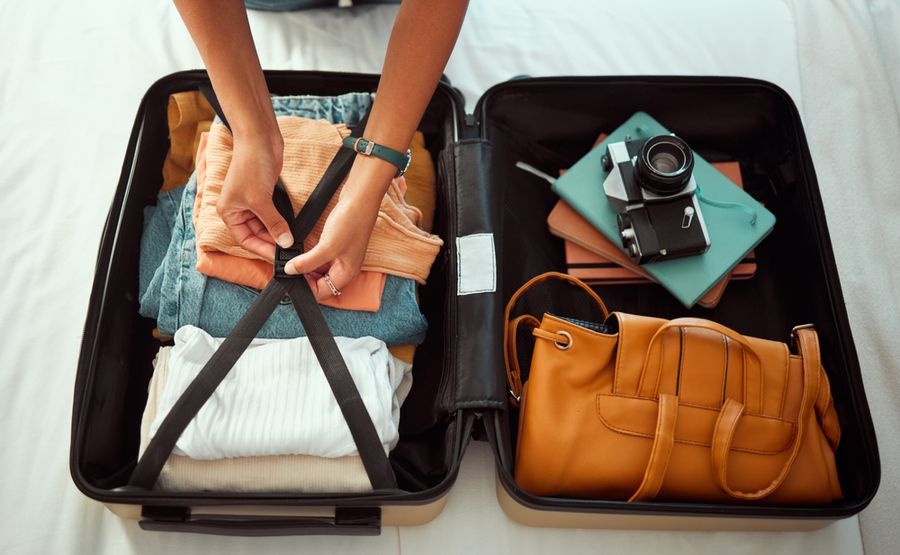
Packing light can make travel feel easier from the moment you leave home. A smaller bag means fewer decisions, less weight to carry, and more freedom when moving through airports, train stations, or busy streets. The goal isn’t to sacrifice comfort or personal style. Smart choices and a little planning can help you bring what matters most while leaving unnecessary extras behind. With a streamlined approach, your luggage can support the trip instead of slowing it down.
Start With the Trip, Not the Suitcase
Before choosing clothes, think through the shape of your trip. Consider the weather, length of stay, planned activities, dress expectations, access to laundry, plus airline baggage limits. A beach weekend, city break, and business conference all require different priorities. Packing without reviewing the itinerary often leads to too many “just in case” items that never leave the bag.
Write down what you’ll realistically do each day, then match clothing and gear to those plans. Check the forecast close to departure, but prepare for small changes with layers rather than bulky backups. If an item works for only one unlikely situation, leave it home. A clear picture of the trip helps every packed piece earn its place inside your travel bag.
Build a Small Mix-and-Match Wardrobe
Choose clothing that works together instead of packing separate outfits for every day. A limited color palette can make mixing tops, bottoms, and layers much easier. Neutral basics don’t have to feel boring when you add personality through a scarf, jewelry, or one colorful piece. Aim for fabrics that resist wrinkles, dry quickly, and feel comfortable for long periods.
Plan to repeat items, especially pants, jackets, and shoes. Most travelers notice their own repeated outfits far more than anyone else does. Try every combination before packing to make sure each piece fits well and feels right. Clothing that looks good but feels uncomfortable won’t become more useful once you’re away from home. You can even photograph your favorite combinations before folding everything away.
Use a Simple Packing Checklist
A short checklist can prevent forgotten essentials while stopping extras from sneaking into your bag. Adjust quantities for the length and purpose of your trip, but keep the starting list focused on versatile basics for your plans. You can usually wash or rewear several items during longer stays.
- Three to five tops
- Two or three bottoms
- One lightweight layer
- One dressier outfit if needed
- Underwear and socks
- Sleepwear
- Two pairs of shoes
- Travel-size toiletries
- Medications and important documents
- Chargers and one compact entertainment option
Lay everything out before packing, then remove duplicates and items without a clear purpose. Seeing the full collection at once makes overpacking easier to spot. If you’re uncertain, choose the item that works in more situations.
Limit Shoes and Bulky Extras
Shoes take up more space than almost anything else in a suitcase, so choose them carefully. For many trips, one comfortable walking pair and one versatile backup are enough. Wear the heavier pair during transit and pack the lighter option. Make sure both pairs have already been broken in, since travel isn’t the time to test painful new footwear during every outing.
Apply the same rule to jackets, hair tools, and oversized accessories. Wear your bulkiest layer on the plane or train when practical. Check whether your hotel provides a hair dryer, iron, towels, or toiletries before packing duplicates. Borrowing, renting, or buying a small item at your destination can sometimes make more sense than carrying it throughout the trip.
Pack Toiletries With a Minimalist Mindset
Toiletry bags can quietly become heavy when full-size products and multiple backups are added. Transfer everyday products into small, leak-resistant containers or buy travel sizes you know you’ll use. Pack only enough for the trip whenever it’s practical, and place liquids in a sealed pouch to protect clothing from spills.
Skip products that duplicate a similar function. One moisturizer may work for both morning and evening, while a tinted balm can replace several makeup items. Solid shampoo, soap, and sunscreen sticks may reduce liquid restrictions and leakage concerns. Remember that most destinations have pharmacies and grocery stores. Unless a product is medically necessary or difficult to replace, you probably don’t need an emergency supply large enough for several extra weeks.
Leave Space for Comfort and Souvenirs
Packing light shouldn’t mean removing every item that makes travel enjoyable. A small comfort, such as a favorite scarf, sleep mask, reusable water bottle, or compact book, can deserve space when you’ll use it often. The key is choosing personal extras intentionally rather than tossing several into the bag at the last minute. Comfort matters when routines and surroundings feel unfamiliar.
Also, leave a little empty room for items collected during the trip. A foldable tote can hold groceries, beach gear, or souvenirs without taking much space when packed. If you expect to shop, bring fewer clothing options from the start. Keeping some breathing room also makes repacking easier, since tightly compressed luggage rarely returns to its original arrangement without effort.
Travel Farther With Less to Carry
Packing light is a skill that improves with every trip. After returning home, notice what you used often, what stayed untouched, and what you wished you’d brought. Those observations can make your next packing list more accurate and personal. There’s no perfect number of items that works for every traveler.
The best bag contains enough to keep you comfortable without creating unnecessary weight or stress. Choose versatile pieces, limit bulky extras, and trust that small needs can usually be handled along the way. When your luggage is easier to carry and organize, you’ll have more energy for the experiences that made you want to travel in the first place.