

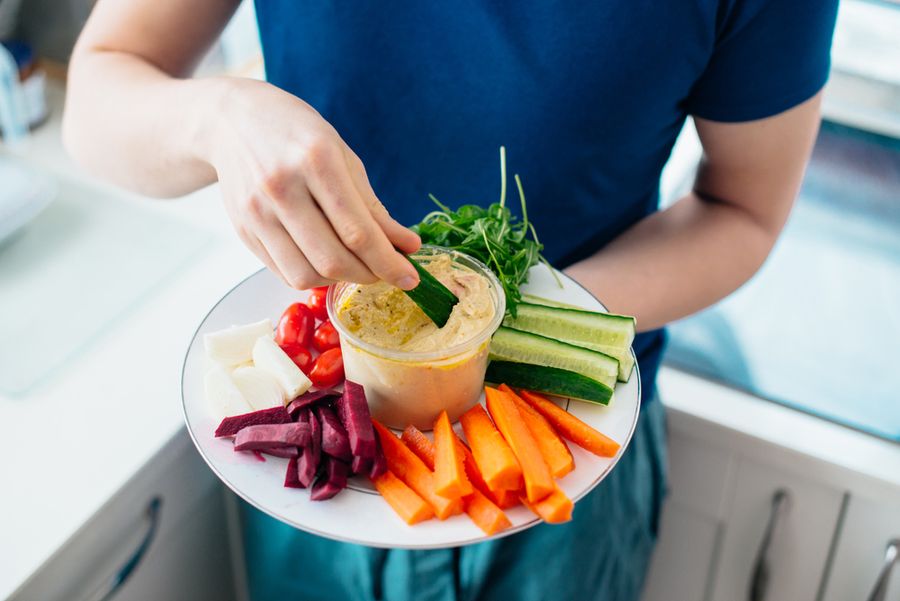
Afternoon slumps and sudden hunger can make even a simple day feel harder than expected. Luckily, a well-planned snack can bridge the gap between meals, support concentration, and help prevent the urge to grab whatever’s closest. The best choices combine satisfying nutrients rather than relying on sugar alone for a quick lift. With a little preparation and a few dependable favorites, snack time can feel less like an emergency and more like a useful part of a balanced routine.
Build Snacks Around Protein
Protein helps make snacks more satisfying, which can reduce the chance of feeling hungry again soon afterward. Foods such as Greek yogurt, cottage cheese, eggs, tuna, edamame, nuts, and roasted chickpeas can provide a dependable base. Protein also supports muscle maintenance and repair, making it especially useful for active people or anyone trying to stay energized between meals.
A snack doesn’t need a huge amount of protein to feel worthwhile. Pair a boiled egg with fruit, spread peanut butter on whole-grain toast, or add a small handful of nuts to yogurt. That said, convenience does matter, so keep a few ready-to-eat options available. When protein is easy to grab, you’re less likely to rely on snacks that offer plenty of calories but very little staying power.
Choose Fiber-Rich Carbohydrates
Carbohydrates are an important source of energy, but some choices digest more quickly than others. Fiber-rich options such as fruit, vegetables, oats, beans, and whole-grain crackers can provide energy while helping a snack feel more substantial. Fiber also supports digestive health and can slow digestion, which may help prevent the sharp rise and drop often associated with highly refined sugary foods.
Try pairing an apple with almond butter, berries with plain yogurt, or whole-grain crackers and veggies with hummus. Air-popped popcorn can also work well when you’re craving something crunchy. Check packaged foods for fiber content and added sugar, but don’t feel pressured to find a perfect product. A familiar snack with a good balance of nutrients is usually more practical than an ideal option you won’t enjoy eating.
Add Healthy Fats for Staying Power
Healthy fats can make a snack feel richer and more satisfying. Nuts, seeds, avocado, olives, nut butters, and tahini are easy ways to include them. Fat takes longer to digest than many simple carbohydrates, so combining a small amount with protein or fiber may help sustain energy between meals. Since fat is calorie-dense, a modest portion is often enough.
Spread avocado on whole-grain toast, dip vegetables in hummus, or sprinkle chia seeds over yogurt. A small trail mix made with nuts, seeds, and unsweetened dried fruit can also travel well. Healthy fats don’t need to dominate the snack. Think of them as one piece of a balanced combination that adds flavor, texture, and satisfaction without leaving you overly full before your next meal.
Pair Nutrients Instead of Snacking Solo
Single-food snacks can work, but combining two or more food groups often creates a more satisfying result. Carbohydrates can provide readily available energy, while protein, fiber, and fat help slow digestion and extend fullness. A banana may be refreshing on its own, but adding peanut butter can make it more dependable when lunch is still hours away.
Useful pairings include cheese with whole-grain crackers, grapes with walnuts, carrots with hummus, and cottage cheese with pineapple. Even a small snack can feel complete when the components complement one another. Use hunger as a guide when choosing portions. A light snack may be enough before dinner, while a larger combination could make sense after exercise or during a long stretch between meals.
Keep a Reliable List of Snack Ideas
Decision fatigue can make vending machines and drive-through stops especially tempting. Keeping a short list of favorite snacks makes it easier to choose something satisfying when hunger appears. Aim for options that match your schedule, storage space, and preferences. Some snacks should be portable, while others can stay in the refrigerator for days when you’re working or relaxing at home.
Dependable ideas include:
- Greek yogurt with berries
- Apple slices with peanut butter
- Hummus with cucumbers
- Cheese with whole-grain crackers
- Roasted chickpeas
- Cottage cheese with fruit
You could also try oatmeal with walnuts, turkey roll-ups with sliced peppers, edamame with a pinch of seasoning, or popcorn mixed with almonds. Rotate your choices regularly so snack time stays enjoyable rather than repetitive.
Plan Ahead for Busy Days
Smart snacking is much easier when hunger doesn’t catch you completely unprepared. Set aside a few minutes after grocery shopping to wash fruit, portion nuts, slice vegetables, or prepare boiled eggs. Store snacks where they’re easy to see. A container of prepared options at eye level can make a balanced choice feel just as convenient as a packaged treat.
Keep portable snacks in your work bag, desk, or car when temperatures allow. Shelf-stable choices such as nut packets, whole-grain crackers, roasted beans, or low-sugar granola bars can help during unexpected delays. Planning doesn’t mean every snack must be homemade. Look for packaged foods with recognizable ingredients and a mix of protein, fiber, or healthy fat rather than choosing solely by marketing claims.
Keep Your Energy on an Even Path
Snacking smarter isn’t about avoiding every cookie, chip, or sweet treat. It’s about creating a dependable routine that supports your energy and keeps hunger from taking over. Protein, fiber-rich carbohydrates, and healthy fats can work together to make snacks more satisfying. Enjoyment matters too, since a nutritious option won’t help much if you never feel like eating it.
Pay attention to how different combinations make you feel during the hours that follow. Some people prefer a light piece of fruit and cheese, while others need a heartier snack such as yogurt with oats and nuts. With a few balanced choices ready to go, you can respond to hunger with less stress and enjoy steadier energy throughout the day.